
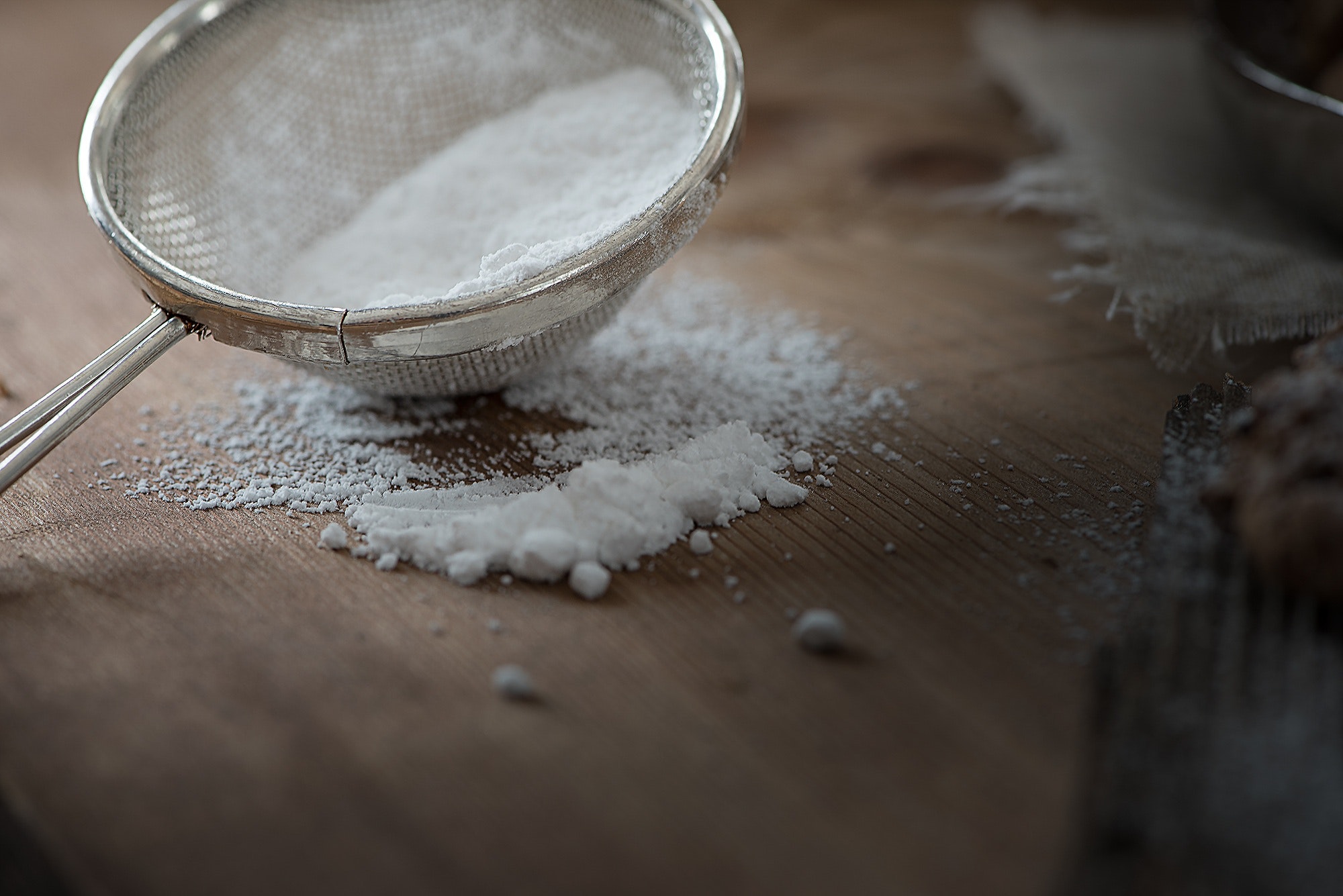
Diabetes is a very common disease in which body blood sugar level exceeds the normal limit. There are many reasons which can lead you to diabetes. In this article, I will talk about some questions which come in mind about diabetes I am overweight, will I always develop type 2 diabetes? Many people around the world think that weight is the only risk that is involved in developing this disease. In reality, it is not true. There are many risk factors which are involved in this disease such as Daily physical activity Family history Age Ethnicity To your surprise, there are many people with this disease which have normal body weight. If I eat more sugar will it cause diabetes? Basically eating more sugar in the diet is directly linked with the amount of weight you gain. So, whenever the amount of sugar in diet is high it will lead towards an increase in body weight & ultimately your risk of getting type 2 diabetes is high. This disease is not caused by eating sugar but due to factors like genetics and lifestyle. Do sugary drinks cause diabetes? Research has also shown that drinking sugary drinks is linked to type 2 diabetes. The American Diabetes Association recommends that people avoid drinking sugar-sweetened beverages to help prevent this disease. Sugary drinks also raise blood glucose (also called blood sugar) and can provide several hundred calories in just one serving. Just one 12-ounce can of regular soda has about 150 calories and 40 grams of carbohydrate. This is the same amount of carbohydrate in 10 teaspoons of sugar! Sugar-sweetened beverages include beverages like: Regular soda Fruit punch Fruit drinks Energy drinks Sports drinks Sweet tea Other sugary drinks Is diabetes a serious disease? Diabetes causes more deaths per year than breast cancer and AIDS combined and having this disease nearly doubles your chance of having a heart attack. The good news is that managing your diabetes can reduce your risk for this disease complications. Do people with diabetes need to eat special foods? A healthy meal plan for people with diabetes is generally the same as healthy eating for anyone – low in saturated fat, moderate in salt and sugar, with meals based on lean protein, non-starchy vegetables, whole grains, healthy fats, and fruit. Foods that say they are healthier for people with this disease generally offer no special benefit. Most of them still raise blood glucose levels, are more expensive, and can also have a laxative effect if they contain sugar alcohols. If you have diabetes, do you have to only eat small amounts of starchy foods, such as bread, potatoes, and pasta? Starchy foods can be part of a healthy meal plan, but portion size is key. Bread, cereals, pasta, rice (whole grain options are better), and starchy vegetables like potatoes, yams, peas, and corn can be included in your meals and snacks. How much carbohydrate can a person with diabetes eat? The amount of carbohydrate you need will vary based on many factors. You and your health care team can figure out the right amount for you. Once you know how many carbs to eat, choose your food and portion sizes to match. Can people with diabetes eat sweets or chocolate? If eaten as part of a healthy meal plan, or combined with exercise, sweets and desserts can be eaten by people with this disease. They are no more “off-limits” to people with this disease than they are to people without this disease. The key to sweets is to have a very small portion and save them for special occasions so you focus your meal on more healthful foods. Can you catch this disease from someone else? No. Although we don’t know exactly why some people develop diabetes and others don’t, we know this disease is not contagious. It can’t be caught like a cold or flu. There seems to be some genetic link in this disease, particularly type 2 diabetes. Are people with diabetes more likely to get colds and other illnesses? You are no more likely to get a cold or another illness if you have diabetes. People with this disease are advised to get flu shots. This is because any illness can make this disease more difficult to control, and people with this disease who get the flu are more likely than others to go on to develop serious complications. If you have type 2 diabetes and your doctor says you need to start using insulin, does it mean you’re failing to take care of this disease? Using insulin to get blood glucose levels to a healthy level is a good thing, not a bad one. For most people, type 2 diabetes is a progressive disease. When first diagnosed, many people with this disease can keep their blood glucose at a healthy level with a combination of meal planning, physical activity, and taking oral medications. But over time, the body gradually produces less and less of its own insulin, and eventually, oral medications may not be enough to keep blood glucose levels in a healthy range. The fruit is a healthy food, so is it ok to eat as much of it as you want? Because fruits contain carbohydrates, they do raise blood glucose and that needs to be taken into consideration when meal planning. Still, the fruit is a healthy food containing fiber and lots of vitamins and minerals, so talk to your dietitian about the amount, frequency, and types of fruits you should eat.

How to become a registered pharmacist in the UK?
If you want yourself as a registered pharmacist in Britain (UK) and you have a non-European Economic Area (EEA) qualification. Or a non-EEA national with an EEA qualification other than a UK-recognized registered pharmacist qualification. If you have completed all the education plus all the training requirements to be eligible as a registered pharmacist in the country where you qualified. I will explain to you all the steps you will need to complete the additional training. Especially the education you will need to carry out in Great Britain (UK) before you are able to apply to register as a registered pharmacist. What do I need to complete in terms of education and training? You will require below mentioned four steps to apply to be registered pharmacist. An overseas Pharmacists Assessment Programme which should be passed (OSPAP). Pre-registration satisfactory training of 52 weeks In UK territory. The GPhC registration assessment (Should be passed). Registration as a Pharmacist. Note that you must apply for registration within 04 years from the date you start your OSPAP course. Let us now look in detail how to fulfill these four steps. Step 01 Passing an OSPAP course OSPAP is a 01-year course which is a full-time postgraduate diploma run by some UK universities. The content of this course makes sure that you will get the right education and training before practicing in the UK as a registered pharmacist. I will discuss the fee and other requirements for this course below. Applying for OSPAP course When you will apply to any UK university offering OSPAP they will verify your qualifications and experience for eligibility for this course. Here I will recommend you complete the form of the general pharmaceutical council (GPHC). They will assess your eligibility by charging a processing fee of £687.00. To download the evaluation form click here. The GPHC will decide that your experience and education meet the eligibility criteria then you can apply for an OSPAP course. There is a requirement that you must start your course within the next two academic years. For instance, if you receive the confirmation of the decision in September 2019 then you must start your course in 2019 or in 2020. Do not worry if you do not meet the eligibility criteria you must complete one of the qualifications like MPharm to be able to practice as a registered pharmacist. The GPHC will ask you to choose the university where you would like to complete your OSPAP. I would recommend that you find out about the different courses before you send your form to GPHC for evaluation. You can find a list of universities that offer OSPAP courses by clicking here. If your qualifications and experience meet the eligibility criteria the GPHC will notify the relevant university you have chosen that you are eligible to apply. The university will then contact you but I would recommend you to get in touch with them yourself once you know the outcome of your application. Make sure that the university may ask you for more information about your qualifications and experience as the GPHC will only tell them about your eligibility but it does not mean that they must offer you a place. Apply in good time for your course and training placement Let me clear to you that there is no deadline for you to submit your application to GPHC, but for your ease, I would recommend you should do it in a good time before the start of the course that you plan to study. Normally national training placement schemes open their applications up to 14 months before placements are due to start. The course of OSPAP normally starts at the start of the UK academic year, in September or October. To make sure you can apply for courses, you should send your application to GPHC so that they can receive it before 31 July. English language competency You will need to provide evidence of your English language competency as part of your application. The OSPAP course content As I talked earlier that to pass OSPAP is the first step in becoming a registered pharmacist. Let us see what the OSPAP course content are A structured academic assessment of your qualifications Attending specific modules Completing assessments Depending on your knowledge and previous experience, you may be exempt from some taught elements, but you will have to complete all the assessments. If you complete the OSPAP course successfully, this will demonstrate that you have met the UK MPharm graduate criteria, but it will not give you an MPharm (Master of Pharmacy) degree qualification. To get more information about each course structure and content on the university website. Step 2: Pre-registration training Under the supervision of a tutor, trainees spend at least 52 weeks in a GPhC approved training site, developing their practice to meet a range of performance standards. Their progress is guided by and verified by their tutor, using progress reviews. Both UK-qualified MPharm and OSPAP students must successfully complete the pre-registration training placement. This is necessary to be eligible to sit the registration assessment and meet the criteria for registration. The placement is currently a paid position and is usually full time. You may be able to make arrangements with your employer about working patterns. Also about working part-time, but you should contact GPhC so they can approve this. Finding a training placement Once you have successfully completed your OSPAP, you will be eligible to start your pre-registration training placement. But you should investigate applying for your placement before you start your OSPAP course, especially if you want to apply to a national scheme. Trainees are responsible for finding their own training placement and tutor and letting GPhC know the arrangements they have made by applying for entry to the pre-registration scheme. They will assess their application to make sure that they are eligible to start training, and that the arrangements they have made are suitable. They will provide them with the opportunity to meet

09 Ways to Avoid Motion Sickness
Motion Sickness Motion sickness is a physiological condition that is sometimes referred to as motion by sea, car, train & air. Usually, motion sickness occurs on ships, submarines, aircraft, in automobiles, trains, amusement park rides, simulators, in spacecraft, and with the use of virtual reality devices. Motion sickness is caused by unbalancing or disturbance of the inner ear that is caused by continuous motion. Anybody can suffer from motion sickness, but variation in sensitivity to motion is the only way that varies among people. Motion sickness usually affects children (ages ranging from 02 to 12 years old), women with pregnancy, and people who have a history of migraines. Symptoms Symptoms of this condition include: Nausea Vomiting Dizziness Headache Decrease appetite Excess salivation Sweating 09 Tips to Avoid Motion Sickness Although it may not be possible to avoid all incident of this physiological condition, the following tips can aid you to avoid or reduce the rigorousness of this problem: Tip 01 Take care of eating foods, soft drinks, and alcohol before and during travel. Do not consume too much alcohol and foods or liquids that “do not suit your stomach” or tends to make you feel abnormally full. Foods containing high fat & spice can aggravate this problem in some people. Tip 02 Do not eat food which contains strong odor or aroma it may also help you to avoid nausea. Tip 03 Choose a seat where you think there will be lesser motion. Always take seat in the middle of an airplane which is the calmest area of an airplane. If you are traveling in a ship, choose the lowest middle of the ship as it is the calmest area of a ship as compared with the upper side. Tip 04 Avoid sitting against the direction of your travel. Tip 05 Always try to sit in the front seat of a car. Tip 06 Avoid reading while you are traveling if you have a history of this problem. Tip 07 Always fasten your seat belts while traveling by car, plane or boat as it helps in avoiding excessive body movement. Tip 08 Do not think of motion sickness while traveling. Change your seat from a person experiencing it because hearing or seeing others with this problem can make you feel the same by yourself. Tip 09 Over the counter, medicines to avoid this problem can be used before traveling. These medicines include antiemetics (Promethazine) & antihistamine (loratadine). If you are planning for a longer trip always consult your doctor before traveling.

Antibiotic Resistance: An Overview
Introduction Antibiotic resistance is the ability of a microbe to resist the antibiotic. The term Antibiotic resistance is very common these days. In this article I will give you an overview of Antibiotic resistance. Infections are very common in our daily life and responsible for a large number of diseases. Disease-causing microorganisms are termed as “Pathogens”. Most of the diseases are caused by bacteria. To treat such diseases antibiotics are used. After the discovery of antibiotics in the 20th century, these have always been considered as one of the wonder discoveries. Over a period of time, various classes of antibiotics were introduced in the market. Besides that bacteria become resistant to certain antibiotics over the period of time. This resistance is termed as Antibiotic resistance. There are several factors that are responsible for antibiotic resistance. History of antibiotics The first antibiotic, penicillin, was discovered in 1929 by Sir Alexander Fleming. He observed inhibition of staphylococci on an agar plate contaminated by a Penicillium mold. Fleming was searching for potential antibacterial compounds. He noticed that a patch of the mold Penicillium notatum had grown on a plate. The plate containing the bacterium Staphylococcus and that around the mold there was a zone where no Staphylococcus could grow. After more research, he was able to show that the culture broth of the mold prevented the growth of the Staphylococcus. This growth is prevented even though diluted up to 800 times. He named the active substance penicillin but was unable to isolate it. Several years later, in 1939, Ernst Chain and Howard Florey developed a way to isolate penicillin. It was used to treat bacterial infections during the Second World War. The new drug came into clinical usage in 1946 and made a huge impact on public health. While Fleming was working on penicillin, Gerhard Domagk, a German doctor, announced the discovery of a synthetic molecule with antibacterial properties. He named the compound Prontosil, and it became the first of a long series of synthetic antibiotics called sulfonamides or sulfa drugs. In the late 1940s and early 1950s, new antibiotics were introduced. These include streptomycin, chloramphenicol, and tetracycline. The age of antibiotic chemotherapy came into full being. Antibiotic Resistance Antibiotics are drugs used for treating infections caused by bacteria. Also known as antimicrobial drugs, antibiotics have saved countless lives. Misuse and overuse of these drugs, however, have contributed to a phenomenon known as antibiotic resistance. This resistance develops when potentially harmful bacteria change in a way that reduces or eliminates the effectiveness of antibiotics. According to CDC Each year in the United States, at least 2 million people become infected with bacteria that are resistant to antibiotics and at least 23,000 people die each year as a direct result of these infections. Multiple drug-resistant organisms Multiple drug-resistant organisms are resistant to treatment with several, often unrelated, antimicrobial agents as described above in Shigella. Some of the most important types of multiple drug-resistant organisms that have been encountered include: MRSA – methicillin/oxacillin-resistant Staphylococcus aureus VRE – vancomycin-resistant enterococci ESBLs – extended-spectrum beta-lactamases (which are resistant to cephalosporins and monobactams) PRSP – penicillin-resistant Streptococcus pneumoniae MRSA and VRE are the most commonly encountered multiple drug-resistant organisms in patients residing in non-hospital healthcare facilities, such as nursing homes and other long-term care facilities. PRSP is more common in patients seeking care in outpatient settings such as physicians’ offices and clinics, especially in pediatric settings. ESBLs are most often encountered in the hospital (intensive care) setting, but MRSA and VRE also have significant nosocomial ecology. Antibiotic Method of resistance Chloramphenicol reduced uptake into cell Tetracycline active efflux from the cell β-lactams, Erythromycin, Lincomycin eliminates or reduces binding of antibiotic to cell target β-lactams, Aminoglycosides, Chloramphenicol enzymatic cleavage or modification to inactivate antibiotic molecule Sulfonamides, Trimethoprim metabolic bypass of inhibited reaction Causes Antibiotic resistance occurs when bacteria change in some way that reduces or eliminates the effectiveness of drugs, chemicals, or other agents designed to cure or prevent infections. The bacteria survive and continue to multiply causing more harm. Bacteria can do this through several mechanisms. Some bacteria develop the ability to neutralize the antibiotic before it can do harm, others can rapidly pump the antibiotic out, and still, others can change the antibiotic attack site so it cannot affect the function of the bacteria. In addition, bacteria that were at one time susceptible to an antibiotic can acquire resistance through mutation of their genetic material or by acquiring pieces of DNA that code for the resistance properties from other bacteria. The DNA that codes for resistance can be grouped in a single easily transferable package. This means that bacteria can become resistant to many antimicrobial agents because of the transfer of one piece of DNA. Prevention Antibiotics designed for bacterial infections are not useful for viral infections such as a cold, cough, or the flu. Some useful tips to remember are: Talk with your healthcare provider about antibiotic resistance: Ask whether an antibiotic is likely to be beneficial for your illness Ask what else you can do to feel better sooner Do not take an antibiotic for a viral infection like a cold or the flu. Do not save some of your antibiotics for the next time you get sick. Discard any leftover medication once you have completed your prescribed course of treatment. Take an antibiotic exactly as the healthcare provider tells you. Do not skip doses. Complete the prescribed course of treatment even if you are feeling better. If treatment stops too soon, some bacteria may survive and re-infect. Do not take antibiotics prescribed for someone else. The antibiotic may not be appropriate for your illness. Taking the wrong medicine may delay correct treatment and allow bacteria to multiply. If your healthcare provider determines that you do not have a bacterial infection, ask about ways to help relieve your symptoms. Do not pressure your provider to prescribe an antibiotic. Additional Precautions Additional precautions are used when caring for patients who are known or