

Microbiological Testing is a mandatory requirement to ensure the quality of the packaging material which has a direct impact on the quality of a drug. The goal of the packaging material is to protect the contents against external factors such as humidity, light, oxygen or temperature variations. Microbiological Testing of the packaging material is done to ensure that the product protected against external impacts or not. The packaging material itself should neither interact with the contents of the packaging nor should it have a negative influence on the contents. Ideally, there will also be no transfer of ingredients from the packaging material to the drug. I will elaborate on how to conduct microbiological testing on empty bottles, droppers, and tubes. Procedure The procedure to conduct microbiological testing of the packaging material is as follows. A For Total Microbial Count A.1 Method Applied: Pour Plate A.1.1 Fill each container with peptone and pour the contents in a pre-sterilized flask. A.1.2 Aseptically takes 1ml of the sample from (A.1.1) in each of four Petri plates. A.1.3 Add (15 — 20ml) of liquid trypticase soy agar on the sample’s taken in 2 Petri plates for bacterial growth. A.1.4 Swirl the plate gently, cover, after solidification, invert to remove moisture from the plate and incubate at 30° — 35°C for 3 to 5 days. A.1.5 Similarly repeat the step (A.1.3 — A.1.4) for sabouraud dextrose agar (SDA) in other two plates for fungal growth and incubate at 20° — 25°C for 5 to 7days. Evaluation After completion of incubation, count the colony-forming units taking an average of two Petri plates for each agar medium and record the results. B For Pathogenic Bacteria B.1 Staphylococcus aureus and Pseudomonas aeruginosa B.1.1 Aseptically transfer 10 ml of the sample from (A.1.1) into 90ml trypticase soy broth, disperse and incubate at 30° — 35° for 24 to 48 hours. B.1.2 If growth is present in (B.1.1) mix gently and streak on:- i- Mannitol Salt Phenol Red Agar Medium —— Staphylococcus aureus ii- Cetrimide Agar Medium —– Pseudomonas aeruginosa B.1.3 Cover, invert and incubate the dishes at 30° — 35°C for 24 to 48 hours. Evaluation Examine any resulting growth. Staphylococcus aureus Staphylococcus aureus gives yellow colonies with yellow zones on Mannitol Salt Phenol Red Agar Medium. Then perform a gram staining test. Gram Staining Test: It should be positive cocci in the cluster Confirmation To confirm the Staphylococcus aureus Biochemical differentiation test (API Staph) is performed. Pseudomonas aeruginosa Pseudomonas aeruginosa generally gives green colonies on Cetrimide Agar Medium. If fluorescence is checked in ultraviolet light, it will be greenish. Then perform a gram staining test. Gram Staining test: It should be gram-negative rods. Confirmation To confirm Pseudomonas aeruginosa, Oxidase test is performed. Oxidase test Transfer the colony to be tested to an Oxidase Detection Strip using a platinum wire loop. Spread the culture on the strip and observe for up to 5 seconds. A deep blue / violet color indicates a positive reaction. The presence must be confirmed by API 20 NE (Biochemical differentiation test). B.2 Salmonella Species B.2.1 Aseptically add 10ml of the sample from (A.1.1) in 90ml lactose broth, disperse and incubate at 30° — 35°C for 24 to 48 hours. B.2.2 If growth is present mix gently and pipette 1ml portion into vessels containing 10ml of Selenite Enrichment Broth (double strength) B.2.3 Subculture onto any of two plates of each medium by streaking on. Brilliant Green Agar Medium Xylose Lysine Desoxycholate Agar Medium Bismuth Sulfite Agar Medium Cover, invert and incubate the Petri plates at 30° — 35°C for 24 to 48 hours. Evaluation 1.0 On Brilliant Green Agar Medium Salmonella give small, transparent, colorless or pink to white opaque colonies (frequently surrounded by pink to red zone). 2.0 On XLD Agar Medium, Salmonella gives red colonies that are with or without black centers. 3.0 On Bismuth Sulfite Agar Medium, Salmonella give black or green colonies. Confirmation To confirm Salmonella, transfer the suspected colonies with the help of an inoculating wire to a butt slant of Triple Sugar Iron Agar Medium. A first streak on the surface of the slant. Stabb the wire well beneath the surface of the slant. Incubate at 30° — 35°C for 24 to 48 hours. If the slants become alkaline (red) and butt become acidic (yellow), with or without concomitant blackening of the butt from hydrogen sulfide production, it indicates the presence of genus Salmonella. Confirm the results by using API 20E (biochemical differentiation test). B.3 Escherichia coli Transfer quantity of the contents A.1.1 corresponding to 1gm or 1ml to 100ml of enrichment medium (Enterobacter enrich broth Mossel) and Incubate the (EBM) and remaining lactose broth at 35 — 37°C for 24 to 48 hours. If the growth is present in EBM mix gently subculture on two plates of Levine EMB Agar and incubate at 35 – 37°C for 24 to 48 hours. Evaluation On the Levine EMB Agar, colonies suspected of being Escherichia coli appear greenish metallic sheen in reflected light, dark or even black center in transmitted light. Perform the gram staining it should be gram-negative rods. Confirmation The biochemical differentiation test is performed to confirm Escherichia coli (using the API 20 E system). Requirements A. Total Microbial Count < 50 CFU B. Pathogenic Bacteria Acceptance Criteria Staphylococcus aureus —- No growth Pseudomonas aeruginosa—- No growth Salmonella species—- No growth Escherichia coli—– No growth

Why Do I Have Acne?
Why do I have ACNE? Everyone has its own opinion regarding acne … let’s take a look actually what acne is? why you have it? Acne Commonly called as Acne Vulgaris is a particularly common inflammatory and chronic disease which occurs when your hair follicle got trapped with oil (from oil glands situated at the base of follicles) or from dead skin cells. Majorly it can appear on your face, neck, back, shoulders, upper arms, and chest. CAUSES Frequent oil production Clogged hair follicles Hormonal: Androgens: Dihydrotestosterone (DHT) Bacterial ( Cutibactarium Acne) Particularly it can occur at any age but more common at the time of puberty in both boys and girls but most common in girls due to the production (dehydroepiandrosterone sulfate which is also the indication of puberty in girls) FACTORS THAT CAN AGGRAVATE THE ACNE Certain Medication. Diet. Stress. (due to cortisol and Adrenaline production) Menstruation. Greasy Cosmetics. Types & Symptoms The symptoms mainly depend on the type of acne. The acne has different types while the whiteheads, blackheads or pustules are commonly called pimples Whiteheads (closed sebum plugged pores). Blackheads (open sebum plugged pores). Papules (Small red, tender bumps). Pimples (pustules), these are papules having pus at their tips. Nodules (Solid, painful, large lumps below the surface of the skin. Cystic lesions Painful, pus-filled lumps below the surface of the skin. Treatment & Prevention As far as the treatment is concern its majorly depends on the type of acne depend upon in which category the acne will categories mild, moderate or severe. The teenage acne required no such treatment if it falls in the mild category as it is the cause of hormonal changes cane subsides with the passage of time along with the lifestyle modifications. What to do in the teenage acne? Should keep your face clean, wash it water properly two times properly. Keep your facial accessories separate like towel or soap Drink plenty of water. Do not allow your body to fall in constipation Eat fruits that contain antioxidants like citrus fruits orange. Pomegranate etc. For girls use makeup that is water-based so that it cannot plug the pores. Must wash your make up before going to bed. Do not rub or squeeze the area that is already inflamed can cause condition worse. If this condition is on your back, chest or on shoulders then do wear loose clothes. Over the counter medication Benzoyl peroxide: Kills bacteria, slow down the sebum formation. Resorcinol: shatter the blackheads and whiteheads Salicylic Acid: Reduce Inflammation and Swelling. ( do not apply crushed aspirin) Retin A: unblock the pores Azelaic Acid: stop sebum production and reduce bacterial growth. Tea Tree oil: use it in diluted form on the affected area. For the save side start with lowest strengths can cause skin irritation on first use. Must visit the doctor when you have moderate to severe acne As the skin is a sensitive part do not use self-medication without the recommendation of your pharmacist and doctor. Point to Ponder: Keep that in your mind acne is a slow process to heal & it can leave scars because anything prevails for a longer time will leave its effects …….but don’t worry it will fade away with time just do not touch or scratch your pimples.

Ginger for Good Hair Growth: Home Remedies
Men and women often face many hair related problems. Hair dandruff becomes major problem during the winter season. These problems are a major cause of worries among men and women. Ginger can very handy in treating your hair related problems. Today I will explain to you how to treat hair problems by using ginger. Ginger is known to be a very good tonic for better skin blood circulation. We all are well aware that hair growth will be good if blood circulation is good. Ginger Ginger is commonly used in continental dishes. It is an underground stem (rhizome) whose possible health benefits include relieving nausea, loss of appetite (less hunger), motion sickness, inflammation, and pain. Ginger has a long history of its medicinal use. Many antiseptic agents are present in it which helps prevent hair dandruff and much other hair infection. Ginger is very helpful to get relief from hair problems. Now let us talk in detail how to use this herb for better hair growth. Hair Dandruff Solution Use this remedy if you have dandruff in your hair which is very difficult to remove. Take 4-5 drops of mustard oil. Add 02 tablespoon of ginger paste in it. Add 01 tablespoon of lemon juice in it. Finally, mix well all these things. Divide your hair into various layers and apply this paste in the root hair. Leave this paste on your hair for 15 minutes. After 15 minutes wash your hair properly. Hair Growth If you want your hair to be strong and healthy then take 01 tablespoons of olive oil and 01 tablespoons of coconut oil. Finally, add half spoon of almond oil in it. After adding all the above ingredients mix 02 teaspoons of ginger paste in it. Mix properly. Apply this mixture on your hair properly. Leave it for almost 20 minutes. After this wash your hair properly. Repeat this therapy once in a week you will get rid of your hair related problems especially hair dandruff. Note: All the above home remedies are extracted from research. If you have hair infection or some other problems then consult your doctor before using these remedies.

FPGEE: Must-Know Information for a Pharmacist
The Foreign Pharmacy Graduate Equivalency Examination® (FPGEE ®) is an exam that is required as a part of the FPGEC program. The FPGEE ® is offered twice a year throughout the continental United States. Everyone who is eligible during the FPGEC application process can take the exam. FPGEE ® Exam Distribution FPGEE ® exam consists of 250 questions. These questions are divided into four content areas. Basic biomedical sciences – 21% Pharmaceutical Sciences – 29% Social, behavioral, administrative pharmacy sciences – 15% Clinical sciences – 35% Syllabus of FPGEE ® For those who are reading this article, I must recommend you to save this post for future purpose. Note all the points mentioned below which will help you in preparing for FPGEE ® Basic Biomedical Sciences – 21% A. Anatomy & Physiology 1. Structure and function of major body systems; integumentary, muscular-skeletal, cardiovascular, lymphatic, respiratory, digestive, nervous, endocrine, urinary, reproductive and body fluid and electrolytes 2. Molecular aspects of cell biology 3. Cell physiology and cellular structure and organization B. Pathology/Pathophysiology 1. Basic principles and mechanisms of disease including i. Inflammation and repair ii. Degeneration iii. Disturbances and hemodynamics iv. Developmental defects v. Neoplasia 2. Pathophysiology of disease states amenable to pharmacist intervention C. Microbiology 1. General principles of microbial concepts 2. Principles of infectious disease 3. Host-parasite relationships 4. Pathogenic micro-organisms of man 5. Inflammatory responses to infectious agents 6. Clinical aspects of infection D. Immunology 1. Human immunity and immune responses 2. Principles of antigen-antibody relationships 3. Molecular biology of immune responses 4. The Genetic basis for antibody synthesis, development, function, and immunopathology E. Biochemistry/Biotechnology 1. Chemistry of biomacromolecules (proteins, lipids, carbohydrates, and DNA) 2. Enzymology and co-enzymes and kinetics 3. Metabolic pathways to energy utilization 4. Nucleic acid metabolism including DNA replication and repair, RNA and protein synthesis 5. Recombinant DNA technology F. Molecular Biology/Genetics 1. Cell structure and components 2. Ion channels and receptor physiology 3. Mitosis and meiosis 4. Chromosomes and DNA 5. Gene transcription and translation processes 6. Recombinant DNA technology G. Biostatistics 1. Understanding commonly used statistical tests and their basis 2. Management of data sets 3. Evaluation of statistical results 4. Understanding of statistical versus clinical significance Pharmaceutical Sciences – 29% A. Medicinal Chemistry 1. Physio-chemical properties of drug molecules in relation to drug absorption, distribution, metabolism, and excretion (ADME) 2. Chemical basis and pharmacology and therapeutics 3. Fundamental pharmacophores for drugs used to treat disease 4. Structure-activity relationships in relation to drug-target interactions 5. Chemical pathways of drug metabolism 6. Application making drug therapy decisions B. Pharmacology 1. Mechanism of action of drugs of various categories 2. Role of pharmacology in drug choice and the treatment of disease 3. Pharmacodynamics of drug action and absorption, distribution, metabolism, and elimination 4. Adverse effects and side-effects of drugs 5. Drug-target interactions 6. Drug-drug, drug-food, drug-lab test interactions 7. Drug discovery and development C. Pharmacognosy and Alternative and Complementary Treatments 1. Concepts of crude drugs, semi-purified, and purified natural products 2. Variability of occurrence of pharmacologically active substances in plants and impact on regulatory aspects of herbal products 3. Overview of classes of pharmacologically active natural products 4. Dietary supplements (vitamins, minerals, and herbals) 5. Alternative medical treatments 6. Evaluation of alternative and complementary medicine purity, bioavailability, safety, and efficacy 7. Herbal-drug interactions 8. Dietary Health Supplement and Education Act and impact on the regulation of dietary supplements and herbal products D. Toxicology 1. Mechanism of toxicity and toxicokinetics 2. Acute and chronic toxic effect of xenobiotics on the body including drug or chemical overdose and toxic signs of drugs of abuse 3. Interpretation of drug screens 4. Antidotes and approaches to toxic exposures 5. Functions of poison control centers 6. Bioterrorism and disaster preparedness and management E. Bioanalysis/Clinical Chemistry 1. Fundamentals of laboratory medicine and its importance to screening, diagnosis, and evaluation of patients 2. Clinical data relevant to disease state management F. Pharmaceutics/Biopharmaceutics 1. Physical-chemical principles of dosage forms 2. Biological principles of dosage forms 3. Principles of drug delivery via dosage forms (eg, liquid, solid, semi-solid, controlled release, patches, and implants) 4. Principles of dosage form stability and drug degradation in dosage forms 5. Materials and methods used in the preparation and use of drug forms G. Pharmacokinetics/Clinical Pharmacokinetics 1. Basic principles of in vivo drug kinetics (linear and nonlinear) 2. Principles of bioavailability/bioequivalence 3. Physiologic determinates of drug onset and duration 4. Drug, disease, and dietary influences on absorption, distribution, metabolism, and excretion 5. Clinical pharmacokinetics of commonly used and low-therapeutic-index drugs 6. The pharmacokinetic-pharmacodynamic interface H. Pharmacogenomics/Genetics 1. The Genetic basis for disease and drug action 2. The Genetic basis for alteration and drug metabolism 3. Genome and proteomic principles in relation to disease and drug development 4. The Genetic basis for individualizing drug doses I. Extemporaneous Compounding/Parenteral/Enteral 1. United States Pharmacopeia (USP) guidance on compounding and Food and Drug Administration (FDA) Compliance Policy Guidelines 2. Techniques and principles used to prepare and dispense individual extemporaneous prescriptions including the dating of compounded dosage forms 3. Liquid (parenteral, enteral), solid, semi-solid, and topical preparations 4. Dosage form preparation calculations 5. Sterile admixture techniques a. USP Chapter 797 b. Stability and sterility testing and dating c. Clean room requirements d. Infusion devices and catheters Social/Behavioral/Administrative Pharmacy Sciences – 15% A. Health Care Delivery Systems 1. Introduction to United States, state, and local health care delivery systems and their interfaces 2. Social, political, and economic factors of the US health care delivery system 3. Principles that influence the distribution of pharmaceutical products and services 4. Role of public and private insurers, pharmaceutical industry, and managed care on health care delivery in the United States 5. Medicare and Medicaid 6. Indigent care programs 7. Incidence of and problems associated with drug overuse, underuse, and misuse in the US health care system B. Economics/Pharmacoeconomics 1. Economic principles in relation to pharmacoeconomic analysis 2. Concepts of pharmacoeconomics in relation to patient care 3. Applications of economic theories and health-related quality-of-life concepts to improve allocation of
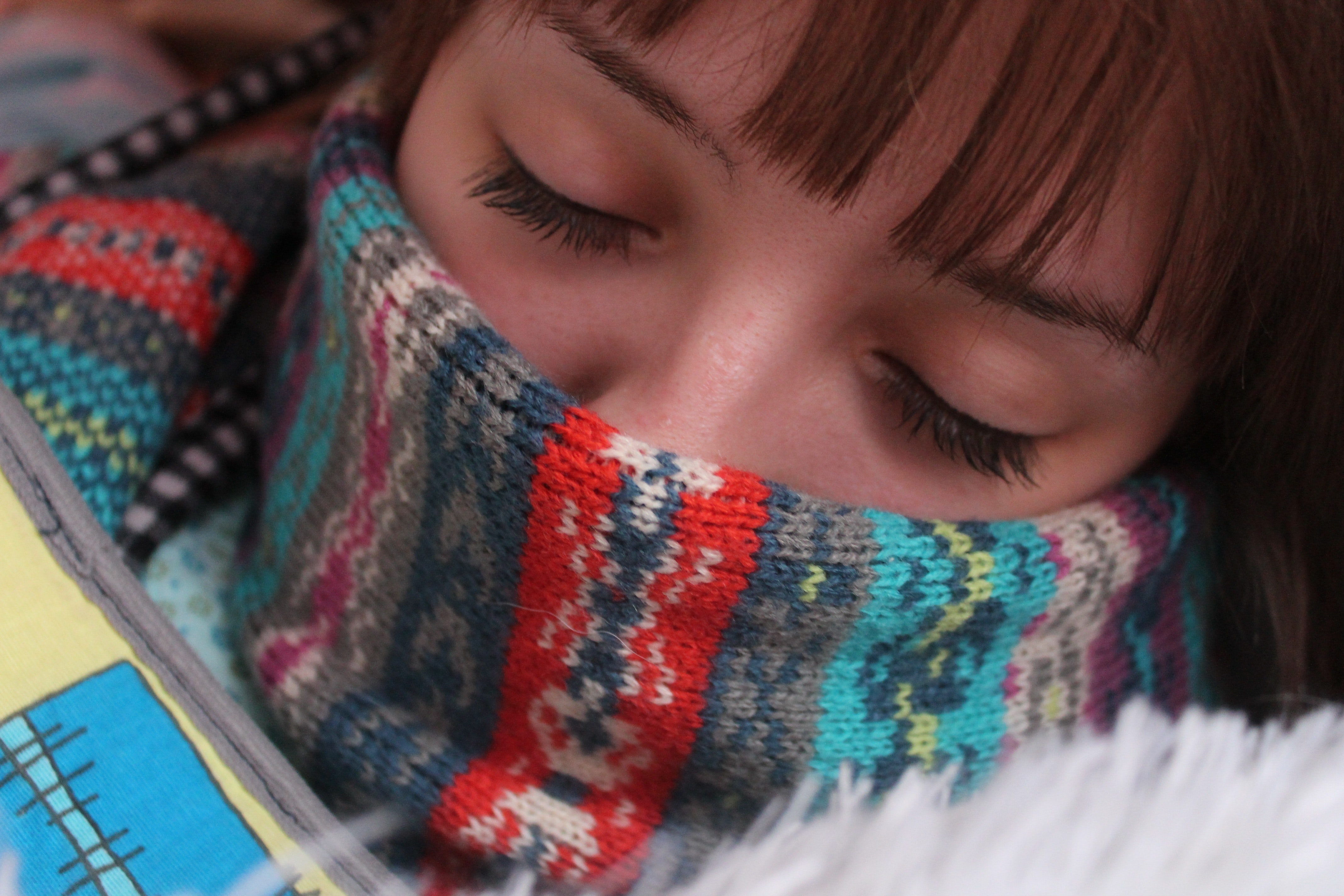
Cough: 02 Easy Treatment
Cough can irritate any individual. On the arrival of the winter season problem of coughing starts to appear. We often use many home remedies to treat a cough at home. We can overcome cough by using ginger, honey, and cinnamon. Do you know pineapple juice is very useful to treat a cough? Uses of Pineapple Pineapple is a very juicy fruit that is why everyone loves to eat it. It contains many antioxidants that increase our body’s immune system. The use of pineapple is very useful for our digestive system. Besides all these benefits pineapple is also very effective in treating cough and flu. It contains an enzyme “Bromelain” which fights against our body infections and allergy. According to nutritionist Dr. Advina Raj “Pineapple contains an enzyme which is very effective against cough, flu, and infections. Treatment of Cough With Pineapple Pineapple Juice and Honey It is a very easy way of getting rid of your coughing. Take a spoon full of honey and mix it in half a cup of warm pineapple juice. After mixing, drink it immediately. You will get relief from this situation very soon. Pineapple Juice, Honey, Salt, and Black Pepper Take one cup of pineapple juice. Add one tablespoon of honey in it. Add one pinch of salt and black pepper. Homogenously mix all the ingredients. Drink this mixture three times a day. You will feel better very shortly. Avoid using random medicine to treat your general ailment like cough, flu, etc. If you keep on using antiobiotics for treating your flu then you are contributing towards antibiotic resistance. Keep in mind that flu is a viral infection that will cure by itself in a few days. To study more you will also be interesting in reading Migraine: 05 Home Remedies For Instant Relieve. If you have any questions feel free to comment.
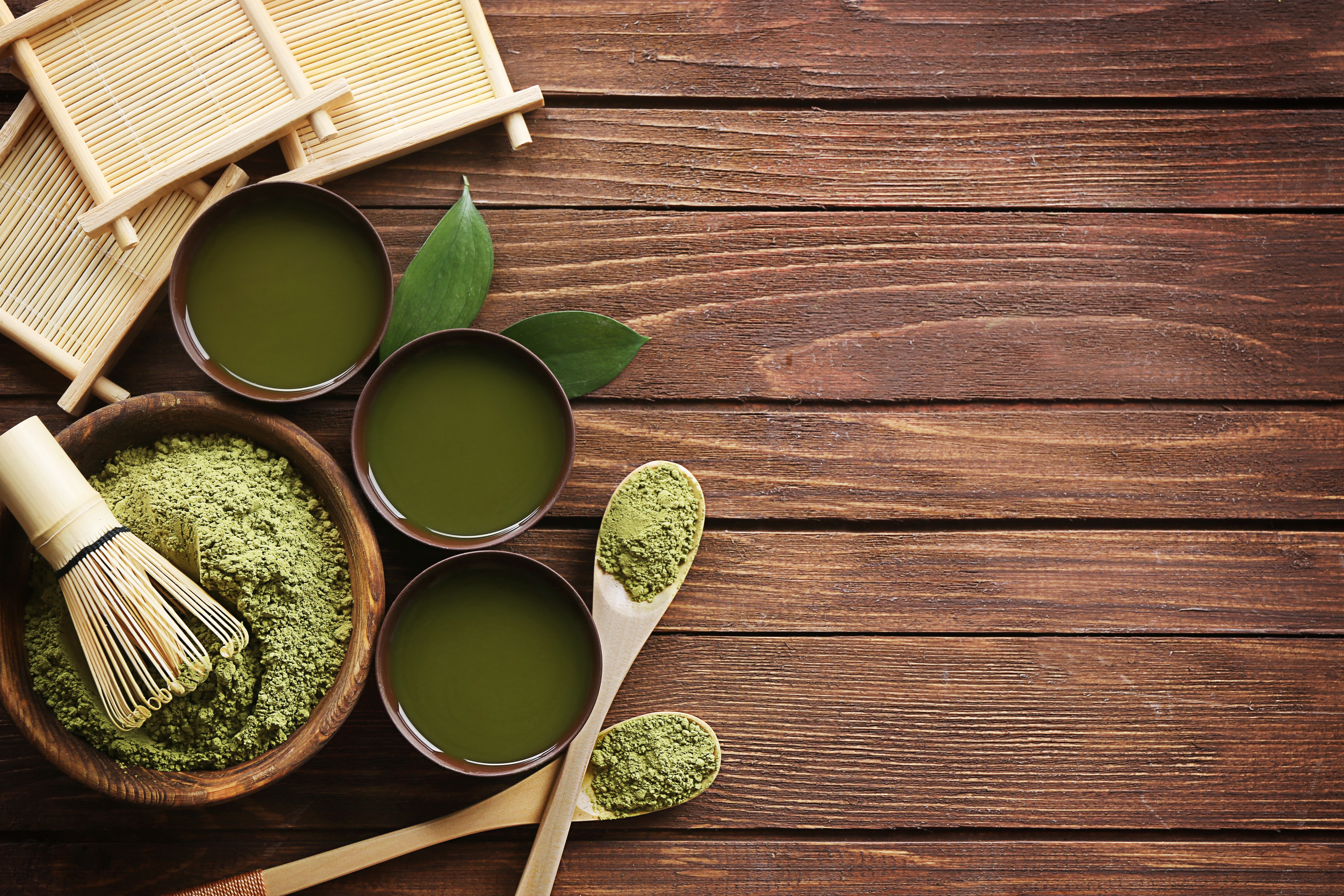
Green Tea: 04 Magical Benefits on Our Face
Many of us use green tea in our daily routine. Green tea is very beneficial to our health but besides that, it is very useful to our skin. Most of the people love to drink green tea but I will tell you how green tea can be used on the face to make our skin looks fresh and glowing. The following below are some home remedies. Green Tea Mask Green Tea mask can be very useful for your facial skin. Apply this mask twice a week. Recipe Powder Green Tea = 1 Table Spoon Turmeric Powder = 1 Pinch Pulse Flour = 1 Table Spoon Mix all the above ingredients properly. Add a sufficient amount of water to make it a paste. Apply this paste on your whole face. Wash your face with water when the mask dries up. Green Tea Scrub Due to the hectic daily routine, our skin exposes to dust and pollution. The pores on the skin become clogged. This all result in various skin problems. To fresh up, our facial skin scrub is needed. Recipe Boil hands full of this tea leaves in a sufficient amount of water. After boiling remove the residual leaves. Add sufficient amount of sugar in the water. The viscous material act as a scrub. This natural scrub will remove all the trap dirt from your face. Eyes Dark Circle Treatment This tea is very helpful in treating dark circles around your eyes. After using tea bags do not throw it waste bin. Refrigerate the tea bags after using them. Put these cool tea bags on your eyes it will eliminate dark circles and swelling around your eyes. Skin Tonner Our skin requires skin tonner for its fresh look. Tonner available in the market is made up of certain harmful chemicals that are not good for our skin. Let me tell you how to make a natural skin tonner by using this tea. Recipe Take a handful of tea leaves and boil it. Separate the leaves from boiled water. Add a sufficient amount of aloe vera gel in this water. Refrigerate this mixture till it cools. Add it in a spray bottle. Spray it on your face multiple times in a day. You will experience that your face skin is glowing and looking fresh in a few days. You may also be interesting in reading Do Ice Makes Our Skin Beautiful?

Migraine: 05 Home Remedies For Instant Relieve
Migraine is not a usual headache. Migraine is actually a pain in half of your head or you will experience severe pain in some parts of the brain. In this pain, a person can not tolerate intense light and noise. Sometime you will experience vomiting during this pain. This pain is not age-related which means any age person can experience migraines. To get relieved of this pain we instantly take the pain killers but long term use of these medicines may have a negative impact on your health. Home remedies play important role in relieving migraines. Let us talk about a few home remedies which will help you to get instant to relieve from this pain. Easy Home Remedies for Migraine Treatment Grape Juice If you experience sudden migraine then grape juice can be very handy in relieving this pain. Take a bowl full of grapes in juicer blender. Add a cup of water in it. A homogenous juice made after blending. Use this juice twice a day. It helps you get to relieve pain. Ginger Ginger believes a pain reliever in any part of our body. That is why ginger juice can be very helpful in migraine. Blend a bowl full of ginger add one lemon juice in this paste. You can also boil ginger and after sieving, you can drink the extract which will also help in reducing pain. Cinnamon Cinnamon is often termed as a magical dry bark. It is mainly used in our daily routine cooking. Beside this cinnamon got a surprising effect on migraines. Grind the cinnamon bark add a sufficient amount of water to make its paste. Apply this paste on your forehead for 30 minutes. You will experience instant relieve in this pain. Avoid Intense Light Exposure Whenever you experience migraine avoid intense light exposure. High-intensity light increases your pain and irritation. Try to take a proper bed rest in a dark room. Massage Massage of neck and head is an ancient home remedy in relieving migraines. If you have migraine pain then do massage on your neck and head. This activity will reduce your pain instantly.
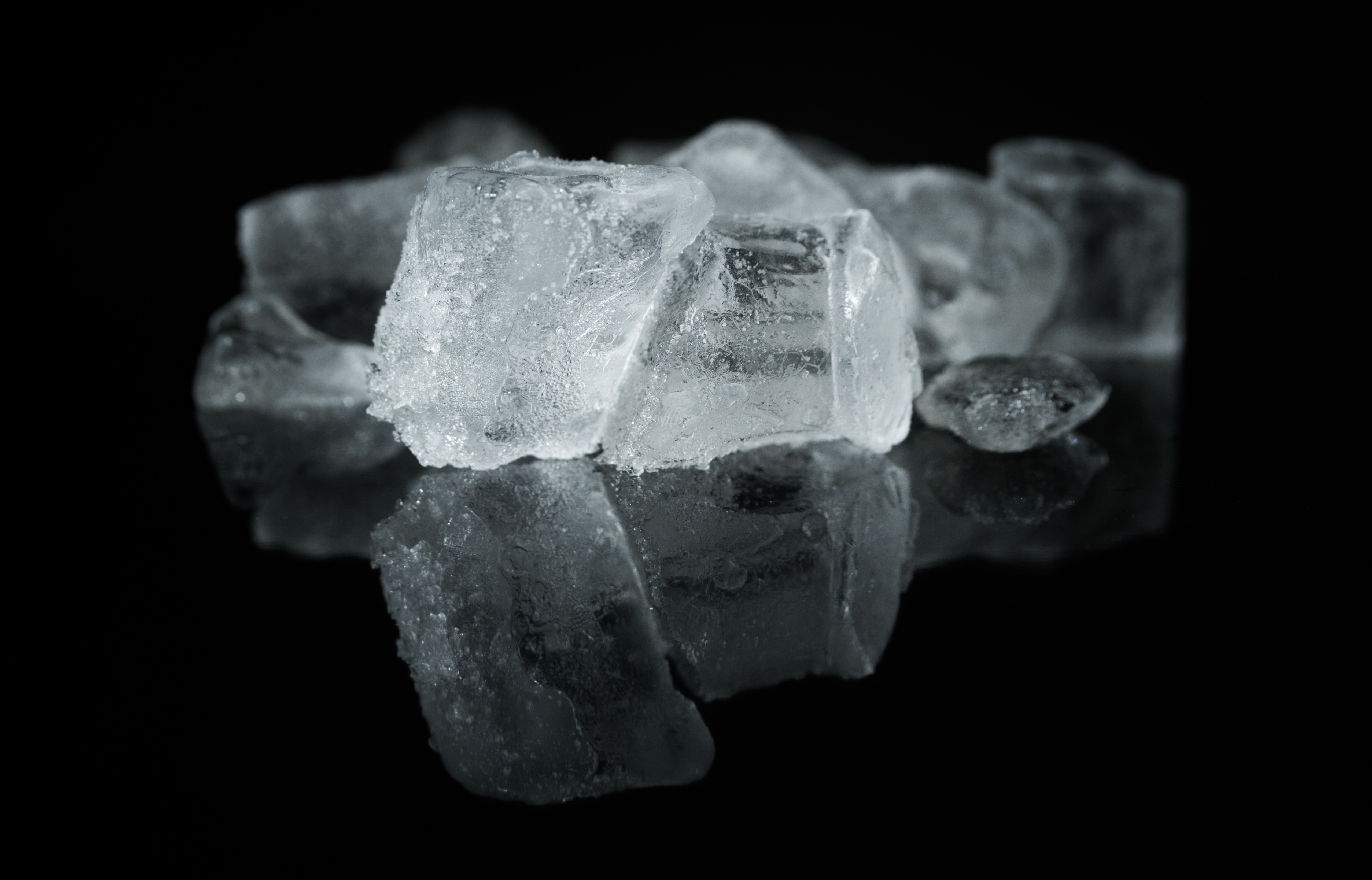
Do Ice Makes our Skin Beautiful?
We all know that ice is used in beverages to make them cool. Do not take ice light as it has a surprising effect on our skin. A lot of skin specialist and beautician believes that by using ice cubes on our skin we can get good results. Let us talk about what kind of advantages we can get for our skin by using ice. Swelling Below Eyes A lot of people face swelling below their eyes. Swelling below eyes reflects fatigue (tired) face. If you want to get rid of this swelling then take an ice cube and gently rub it below your eyes for at least 15 minutes. Making it a habit will improve your swelling issue beneath eyes. The science involves in it is that by rubbing cool thing cause our blood capillaries to constrict. It will lessen fluid (plasma) accumulation. Pimples and Freckles If you are facing various skin problems like pimples and freckles then ice massage is very good therapy. Rub an ice cube on the pimple for a few minutes and you will notice that it will relieve skin irritation and pimple size. Glowing Skin If you want a glowing skin then take an ice cube in a linen cloth and rub it on your whole face for a few minutes. Doing massage with it on your face on a daily basis will result in better blood circulation in your facial skin. For this reason, your skin will become glowing. Irritation After Threading Often skin becomes sensitive when females do threading of eyebrows and upper lips. Due to this sensitivity, the skin becomes itchy and irritating. The solution to this problem can be solved by using an ice cube. After doing threading of eyebrows and upper lips take an ice cube and gently rub it on the affected part. Doing this massage you will get an instant to relieve in skin irritation.
04 Diets Affecting Your Mental Health
The brain is the most integral part of human body without it the body can not move. Mental health is a serious issue in the present era. If your brain works better then it directly impacts your body performance. According to medical experts a healthy diet is very important for all our body organs. If you do not take a healthy diet in your daily routine then it will have a serious impact on your body health. We are eating a few things in our daily routine which we do not even know how much they are vulnerable to our health. Let us talk about these risky diets which are seriously affecting your mental health. Sugary Drinks Cold drinks and energy drinks which include carbonated water is a major cause of diabetes, high blood pressure, high cholesterol, and dementia. If you make a habit of drinking sugary drinks in your daily routine then you playing with your mental health. Sugary drinks include artificial sweeteners which if taken on regular basis results in reducing learning ability, memory and mental health. Refined Carbohydrates The carbohydrates which are processed in several steps are termed as refined carbohydrates. These carbohydrates include bread, rusk, biscuits, etc. Eating refined carbohydrates in our daily routine results in increasing blood sugar. Ultimately this will lead to a decrease in memory, thinking ability and finally dementia. Fried Food Although fried foods are very delicious to eat but have you ever think that how these foods are affecting our health? Consuming oily food is a major cause of obesity and high body cholesterol level. Obesity is directly linked to our brain. A fatty person is always slow in his daily routine work. As time passes on it will result in dementia. Eating Too Much Meat Meat is good for human health but eating too much meat will result in various diseases. According to research eating meat in our daily routine increases the chance to develop Alzheimer’s disease. Meat is rich in iron contents. Consumption of a high amount of iron in our diet may result in affecting mental health. .